


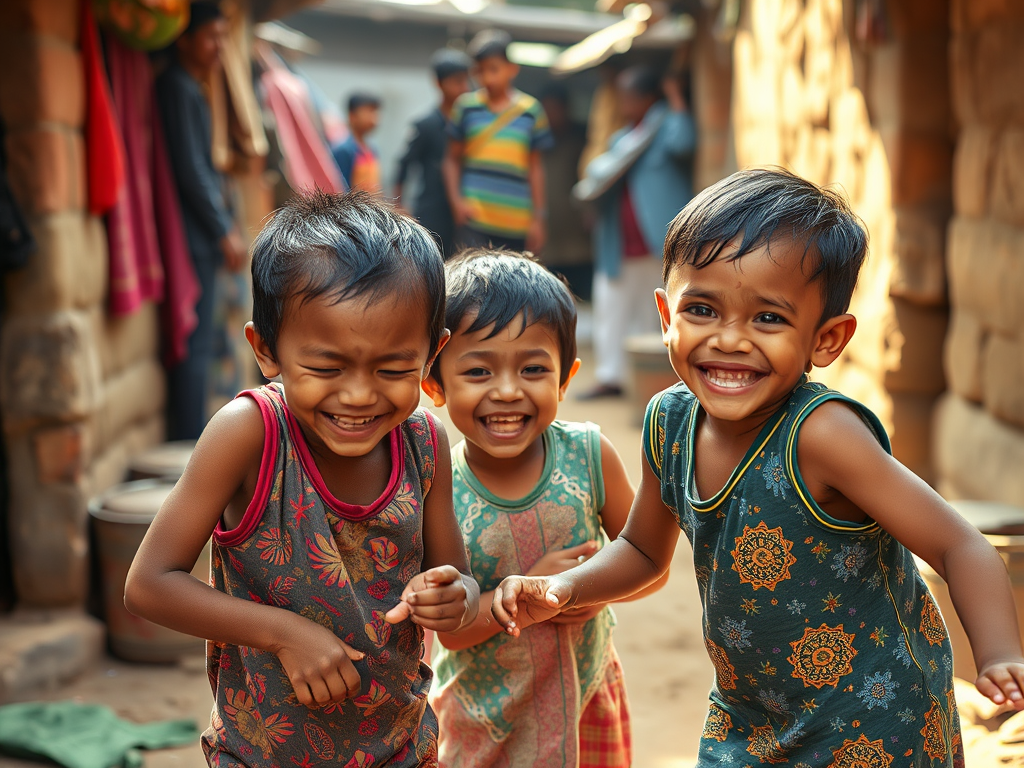
I spent all my childhood in a chawl. I fondly remember those days as golden era of sharing and caring. In the chawl culture, the thin walls between Neighbours and Uncle, Aunts are non-existent.
Growing up in a chawl in India was an unforgettable experience that shaped my childhood in the most beautiful ways. My early years were spent in Pande Chawl, Aurangpura, Aurangabad — a place that was more than just a habitat. It was a close-knit community, a large extended family, and a hub of culture, connection, and countless memories.
What is Chawl Culture?
Chawl culture refers to a unique way of life found in the old residential buildings of India, especially in cities like Mumbai and Aurangabad. These buildings, often with small rooms and shared amenities, created an environment of communal living where bonds were stronger than bricks.
Despite the limited space and financial challenges, life in a chawl was filled with sharing, support, and togetherness. Every door was always open — literally and emotionally.
Community Living: The Heart of Chawl Life
In our chawl, everyone knew each other. Doors were rarely shut, and neighbours moved freely between homes. We didn’t just live next to each other — we lived with each other. Each child had multiple “parents,” as neighbours took on the roles of guardians, mentors, and protectors.
I fondly remember how, whenever someone made Thecha (a spicy green chilli-garlic chutney) and Bhakari (a flatbread made from jowar flour), it would arrive at our house first — simply because I loved it so much. This wasn’t special treatment; it was just how chawl families cared for each other.
Celebrations, Festivals, and Togetherness
Whether it was Ganesh Chaturthi, Holi, or Diwali, our festivals were always a community affair. There was no need to formally invite anyone — as soon as preparations began, everyone jumped in to help. There were no event planners, decorators, or caterers. We were the decorators, cooks, organisers, and performers.
Chawls were cultural hotspots for children’s activities too. Every celebration included competitions like singing, elocution, storytelling, and musical chairs. These events nurtured our creativity and confidence. There was never any pressure to win — just pure joy in participating.
Life Lessons from the Common Water Tap
One of the most memorable spots was the shared municipal water tap. Women from the chawl gathered here every morning — to collect water, yes, but also to chat, exchange gossip, and offer support. Occasionally, there were arguments over queue-jumping, but what amazed us kids was how quickly peace returned. These little incidents taught us the importance of forgiveness and unity.
Monsoon Memories: Snakes and Storytelling
Monsoons in the chawl brought with them unexpected visitors — snakes! Every house encountered them, and a few brave residents had the skill to catch them. No matter the time, everyone would rush out to watch the spectacle. After the snake was caught, the evening turned into an impromptu storytelling session, where past “snake encounters” were retold with drama and excitement. It was entertainment like no other.
Leadership and Life Skills
As I grew older, I took on the role of organiser for events like the Ganesh Festival and Rang Panchami. These early experiences gave me a strong foundation in leadership, coordination, and community service. They were real-life lessons that no classroom could teach.
The Spirit of Chawl Culture Lives On
There were no strangers in the chawl — only uncles, aunts, brothers, and sisters. This was the magic of chawl culture in India. It was built on shared living, mutual support, and the celebration of everyday life.
Even today, those childhood memories bring warmth to my heart. The values of empathy, unity, and community I learned in that chawl continue to guide me.
Chawl life wasn’t just a way of living — it was a way of loving.
Thank you my dear readers for stopping by
Stay Happy and Keep Smiling
Discover more from Awesomeplaces
Subscribe to get the latest posts sent to your email.
 Awesomeplaces
Extremely beautiful description of a bygone era of chawls, still, found in dilapidated condition. I was brought up in chawl in cooperative sugar factory colony. If chawls are destroyed by lack of maintenance a whole world of memories is destroyed, it happened with me too. There is nothing there where our colony was there.
LikeLiked by 2 people
Thanks Rajendra. Happy to note that we share same experience 😊
LikeLiked by 1 person
Yes & happy Diwali to all of you ❤️🌷
LikeLiked by 1 person
Happy Diwali to you too 🪔💐
LikeLike
What a beautiful walk down memory lane! 🌸 Your words truly capture the essence of chawl life — the warmth, togetherness, and the little joys that make a community feel like family. I loved reading about the festivals, shared meals, and even the adventures with snakes — it brought such vivid memories to life!
It’s inspiring how these experiences shaped your sense of leadership, empathy, and community spirit. Truly, as you said, chawl life wasn’t just a way of living — it was a way of loving. Thank you for sharing such heartfelt memories; it made me smile and reminded me of the value of connection and community.
LikeLiked by 1 person
Thank you so much for your beautiful summary. We miss these things in the apartment culture today 😊
LikeLike